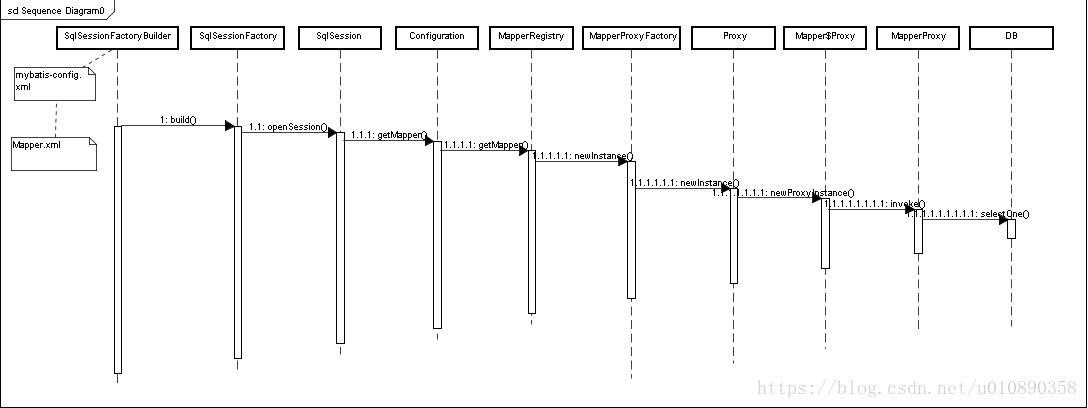
MyBatis工作流程简述
使用sqlSession(旧)
public static void main(String[] args) {
        InputStream inputStream = Resources.getResourceAsStream("mybatis-config.xml");
        SqlSessionFactory factory = new SqlSessionFactoryBuilder().build(inputStream);
        SqlSession sqlSession = factory.openSession();
        String name = "ksf";
        List<User> list = sqlSession.selectList("com.demo.mapper.UserMapper.queryById",params);
}
使用mapper(一般用这个)
public static void main(String[] args) {
InputStream inputStream = Resources.getResourceAsStream("mybatis-config.xml");
SqlSessionFactory factory = new SqlSessionFactoryBuilder().build(inputStream);
SqlSession sqlSession = factory.openSession();
UserMapper mapper = sqlSession.getMapper(UserMapper.class);
List<User> list = mapper.getUserByName("ksf");
}
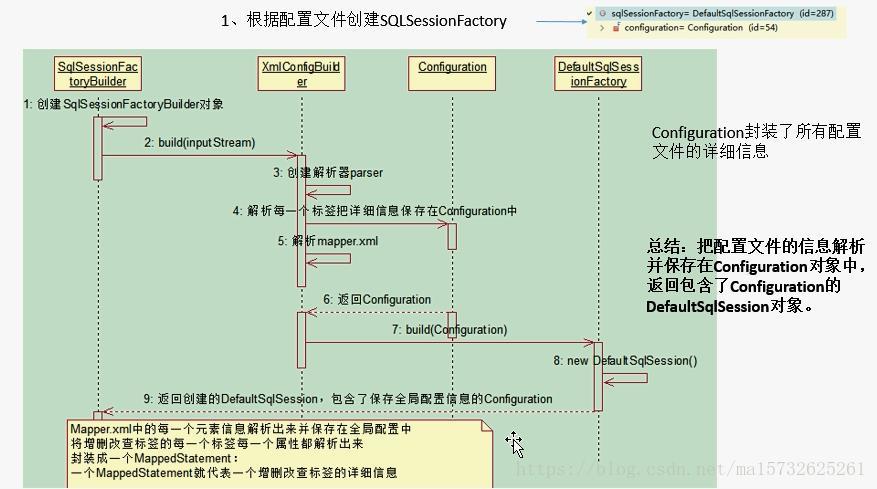
获取sqlsessionFactory
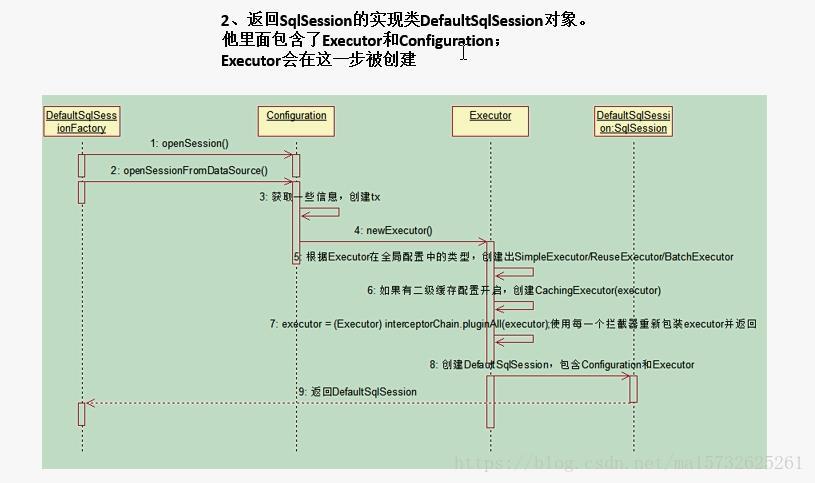
获取sqlSession
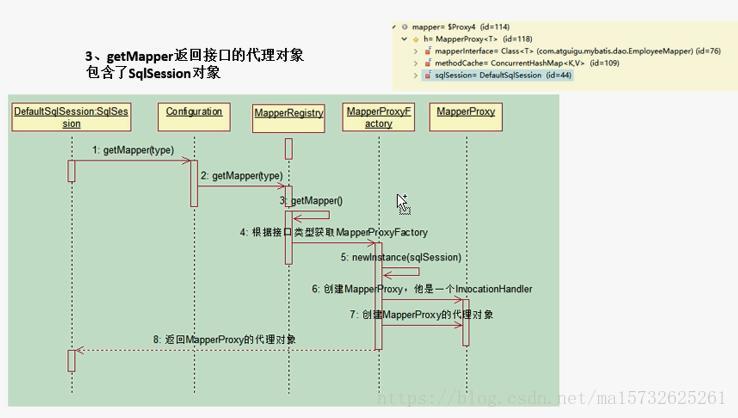
获取接口代理对象MapperProxy
执行增删改查
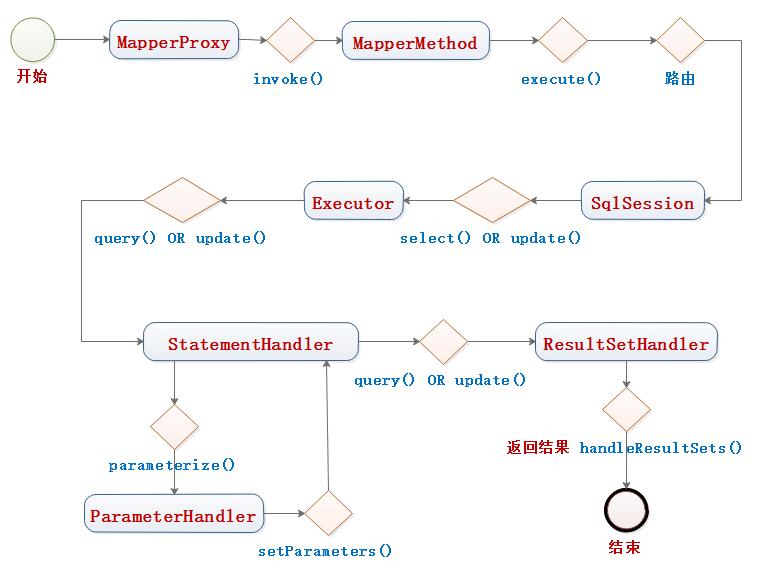
getMapper源码分析
public class DefaultSqlSession implements SqlSession {
     private final Configuration configuration;
     private final Executor executor;

      @Override
      public <T> T getMapper(Class<T> type) {
        return configuration.getMapper(type, this);
      }
}
public class Configuration {
      protected final MapperRegistry mapperRegistry = new MapperRegistry(this);

      public <T> T getMapper(Class<T> type, SqlSession sqlSession) {
        return mapperRegistry.getMapper(type, sqlSession);
      }
 }
public class MapperRegistry {
    @SuppressWarnings("unchecked")
    public <T> T getMapper(Class<T> type, SqlSession sqlSession) {
        final MapperProxyFactory<T> mapperProxyFactory = (MapperProxyFactory<T>) knownMappers.get(type);
        if (mapperProxyFactory == null) {
            throw new BindingException("Type " + type + " is not known to the MapperRegistry.");
        }
        try {
            return mapperProxyFactory.newInstance(sqlSession);
        } catch (Exception e) {
            throw new BindingException("Error getting mapper instance. Cause: " + e, e);
        }
    }
}
public class MapperProxyFactory<T> {
public T newInstance(SqlSession sqlSession) {
final MapperProxy<T> mapperProxy = new MapperProxy<>(sqlSession, mapperInterface, methodCache);
return newInstance(mapperProxy);
}
@SuppressWarnings("unchecked")
protected T newInstance(MapperProxy<T> mapperProxy) {
return (T) Proxy.newProxyInstance(mapperInterface.getClassLoader(), new Class[] { mapperInterface }, mapperProxy);
}
}
public class MapperProxy<T> implements InvocationHandler, Serializable {
@Override
public Object invoke(Object proxy, Method method, Object[] args) throws Throwable {
try {
if (Object.class.equals(method.getDeclaringClass())) {
return method.invoke(this, args);
} else if (isDefaultMethod(method)) {
return invokeDefaultMethod(proxy, method, args);
}
} catch (Throwable t) {
throw ExceptionUtil.unwrapThrowable(t);
}
final MapperMethod mapperMethod = cachedMapperMethod(method);
return mapperMethod.execute(sqlSession, args);
}
private MapperMethod cachedMapperMethod(Method method) {
return methodCache.computeIfAbsent(method, k -> new MapperMethod(mapperInterface, method, sqlSession.getConfiguration()));
}
}
public class MapperMethod {
private final SqlCommand command;
private final MethodSignature method;
public Object execute(SqlSession sqlSession, Object[] args) {
Object result;
switch (command.getType()) {
case INSERT: {
Object param = method.convertArgsToSqlCommandParam(args);
result = rowCountResult(sqlSession.insert(command.getName(), param));
break;
}
case UPDATE: {
Object param = method.convertArgsToSqlCommandParam(args);
result = rowCountResult(sqlSession.update(command.getName(), param));
break;
}
case DELETE: {
Object param = method.convertArgsToSqlCommandParam(args);
result = rowCountResult(sqlSession.delete(command.getName(), param));
break;
}
case SELECT:
if (method.returnsVoid() && method.hasResultHandler()) {
executeWithResultHandler(sqlSession, args);
result = null;
} else if (method.returnsMany()) {
result = executeForMany(sqlSession, args);
} else if (method.returnsMap()) {
result = executeForMap(sqlSession, args);
} else if (method.returnsCursor()) {
result = executeForCursor(sqlSession, args);
} else {
Object param = method.convertArgsToSqlCommandParam(args);
result = sqlSession.selectOne(command.getName(), param);
if (method.returnsOptional()
&& (result == null || !method.getReturnType().equals(result.getClass()))) {
result = Optional.ofNullable(result);
}
}
break;
case FLUSH:
result = sqlSession.flushStatements();
break;
default:
throw new BindingException("Unknown execution method for: " + command.getName());
}
if (result == null && method.getReturnType().isPrimitive() && !method.returnsVoid()) {
throw new BindingException("Mapper method '" + command.getName()
+ " attempted to return null from a method with a primitive return type (" + method.getReturnType() + ").");
}
return result;
}
private <E> Object executeForMany(SqlSession sqlSession, Object[] args) {
List<E> result;
Object param = method.convertArgsToSqlCommandParam(args);
if (method.hasRowBounds()) {
RowBounds rowBounds = method.extractRowBounds(args);
result = sqlSession.selectList(command.getName(), param, rowBounds);
} else {
result = sqlSession.selectList(command.getName(), param);
}
if (!method.getReturnType().isAssignableFrom(result.getClass())) {
if (method.getReturnType().isArray()) {
return convertToArray(result);
} else {
return convertToDeclaredCollection(sqlSession.getConfiguration(), result);
}
}
return result;
}
}